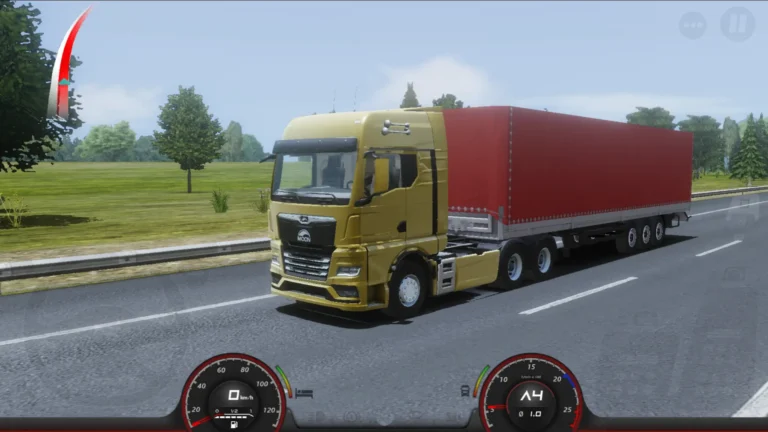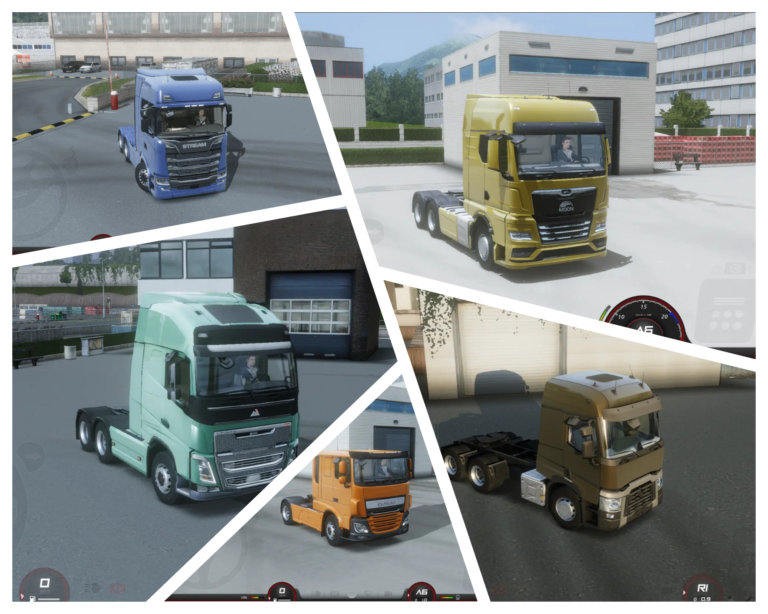
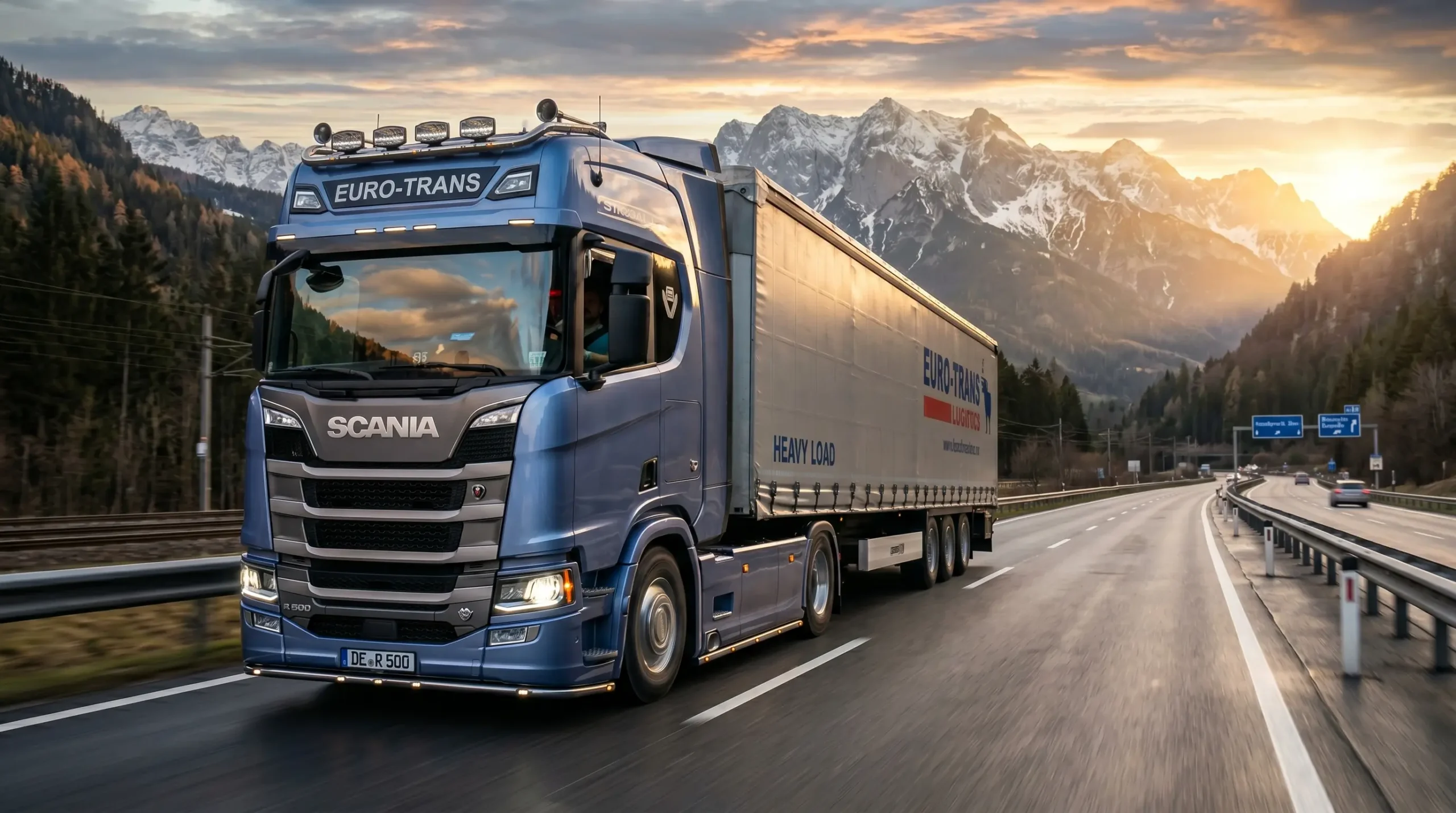
This Truckers of Europe 3 stability guide breaks down exactly why trucks flip and the specific settings that fix it. Let’s be honest for a second. Is there anything worse than driving for 30 minutes, hauling a massive 25-ton cargo, and then flipping your truck upside down on that one sharp highway exit?
We’ve all been there. You took the corner too fast, and suddenly your wheels are in the air. Game over. But here’s the thing — this almost never happens because of the truck you picked. It happens because of how the truck is set up.
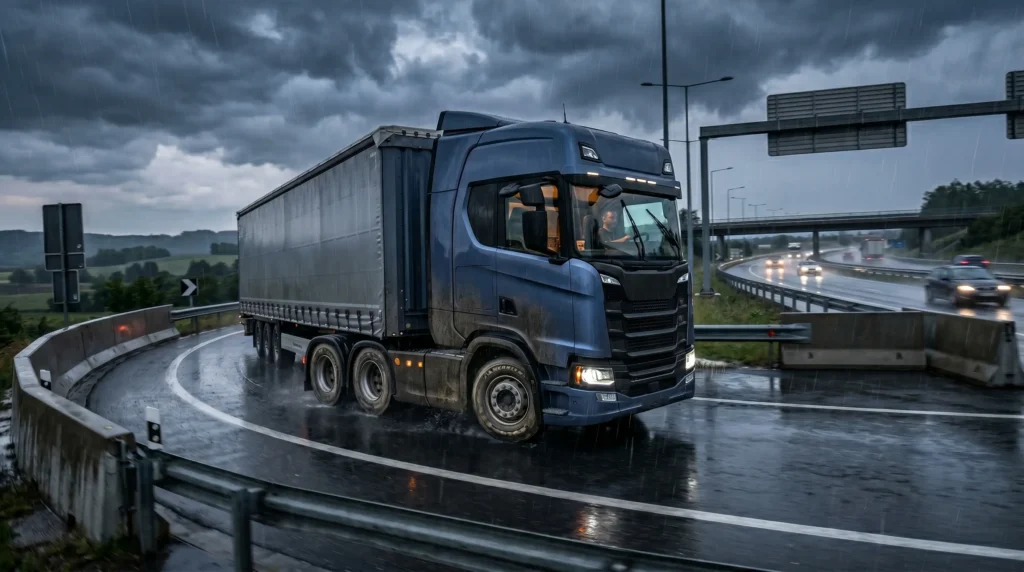
Why your truck flips — a Truckers of Europe 3 stability guide breakdown
Most players blame the truck model when they roll over — but the actual cause is almost always one of three things: chassis configuration, cargo weight distribution, or cornering speed relative to load. A truck that handles perfectly empty can flip instantly at 60 km/h with a heavy, unbalanced trailer attached.
Before changing trucks, check these three things first. They fix more rollovers than any truck swap will.
Chassis configuration — the real stability factor
Chassis setup affects how power reaches the road and how weight is distributed across your axles. A 6×4 chassis puts power through more wheels than a 4×2, which means better traction and a lower chance of the trailer swinging out mid-corner.
For unstable, top-heavy cargo — tankers, oversized machinery, anything with a high center of gravity — a 6×4 or 8×4 configuration keeps the load planted. A lighter 4×2 setup is fine for standard freight but becomes risky once you’re hauling near maximum weight.
Suspension and its effect on cornering
Softer suspension absorbs bumps better on uneven country roads, but it also allows more body roll in corners — which is exactly what causes a top-heavy trailer to tip. Stiffer suspension settings reduce that roll and keep the cargo’s weight centered over the wheels during sharp turns.
The trade-off: stiffer suspension feels rougher on broken pavement. For mountain routes and hilly terrain where sharp turns are frequent, stiffer settings are worth the rougher ride. For long, flat highway hauls, softer suspension is more comfortable without adding much rollover risk.
Cornering technique — speed matters more than you think
This is the part most guides skip. Entering a corner at 70 km/h with a 20-ton load creates far more lateral force than the same corner at 45 km/h — and that force is what flips trailers, not the corner itself.
The rule that actually works: brake before the corner, not during it. Braking mid-turn shifts weight forward and reduces rear traction exactly when you need it most. Slow down on the straight section leading into the turn, then accelerate smoothly once the trailer is tracking straight again.
Gearbox settings for heavy, unstable loads
A transmission with more total gears (16-speed setups) combined with a higher differential ratio gives you the low-end torque to move heavy cargo without over-revving on inclines. This matters for stability too — a truck straining in the wrong gear on a hill is more likely to lose traction mid-corner than one comfortably geared for the load.
For unstable cargo like liquid tankers, staying in a slightly lower gear through corners gives you more engine braking control, which reduces the chance of the trailer overtaking the cab on a downhill turn.
For general background on how truck suspension systems work, see Wikipedia‘s overview of vehicle suspension.
Get these settings right and the rest of this Truckers of Europe 3 stability guide — chassis, suspension, cornering — works together instead of fighting the physics engine.
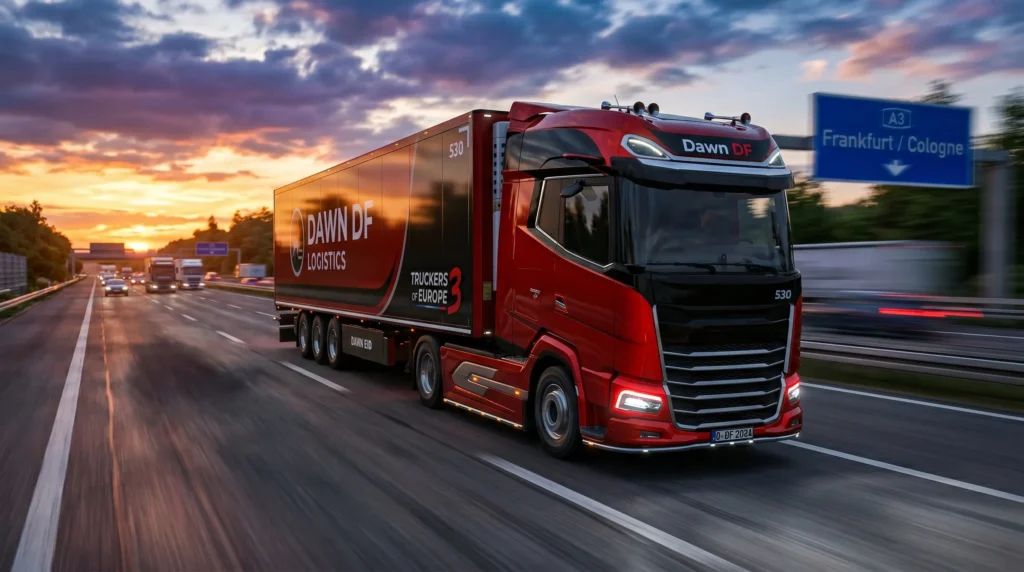
Quick stability checklist
This final section of the stability guide covers the checklist to run through before hauling anything over 15 tons:
- Chassis matches the load — 6×4 or 8×4 for heavy or unbalanced cargo
- Suspension set stiffer if the route has frequent sharp turns
- Speed reduced before entering corners, not during
- Gearbox tuned with enough low-end torque for the terrain
Final Verdict
Get these four right and rollovers become rare regardless of which truck you’re driving. If you’re still deciding which truck to start with, our guide to the best trucks in Truckers of Europe 3 covers handling differences between specific models.